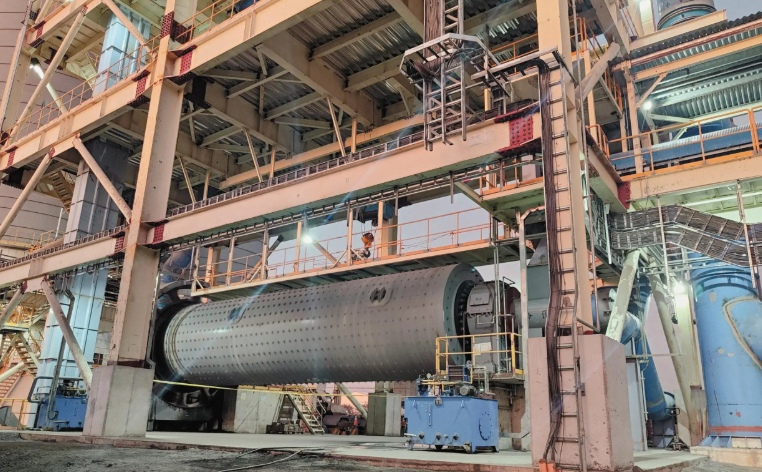
For many businesses, especially small and medium-sized enterprises (SMEs) or those starting a new project with limited funds, the budget is always the primary factor in purchasing industrial equipment. A Second-hand ball mill is undoubtedly a cost-effective alternative compared to a brand-new one, as it can help businesses save 30% to 70% of the initial investment. This significant cost reduction allows enterprises to allocate more funds to other key links, such as raw material procurement, production line optimization, and employee training. However, cost-effectiveness does not mean choosing the cheapest option blindly; blind pursuit of low prices often leads to higher losses in the long run. When selecting a Second-hand ball mill, it is crucial to balance the purchase price with the long-term operation cost, ensuring that the equipment can bring stable benefits while controlling expenses.




 English
 Chinese
 French
 German
 Russian
 Italy
Italy Spain
Spain Portugal
 Japanese
 Korean
 Arabic
 Traditional